
Innovative Scenarios: The Future of Manufacturing
Imagine a thriving factory in Shenzhen, where precision and speed dictate production timelines. Recent reports suggest that China accounts for over 30% of the global rubber injection molding market. With rubber injection molding china at the forefront of this innovation, the question arises: how can producers maintain quality while scaling operations? This insight is crucial for anyone involved in the industry.
Understanding the Traditional Flaws
When I entered this field over 15 years ago, I noticed a common pitfall among manufacturers: the reliance on outdated techniques that often resulted in significant flaws. Quality inconsistencies plagued products, which in turn made many suppliers hesitate. For instance, one time, I encountered a client whose rubber seals malfunctioned due to improper molding techniques—leading to a costly recall. Such issues can negatively impact brand reputation, making it vital to address these traditional solutions that fail to meet industry demands.
What Users Often Overlook
While many focus on the immediate costs of rubber injection molding china, I firmly believe that the hidden user pain points lie in the long-term results. Users often underestimate the importance of selecting the right materials and technology. As markets continue to demand higher standards, it’s crucial to consider how mold temperature and material viscosity can drastically affect final product integrity. I’ve seen firsthand how the right choices can mitigate risks and enhance productivity—certainly worth considering, don’t you think?
Looking Ahead: Shape Your Manufacturing Strategy
As we peer into the future of rubber injection molding china, it becomes clear that embracing technology is non-negotiable. Innovations such as automated systems and real-time monitoring can vastly improve production efficiency. By implementing these advancements, companies can not only reduce waste but also enhance product quality. Imagine the outcomes if every operation adopted these practices—potentially elevating China to an even more dominant position in the global market.
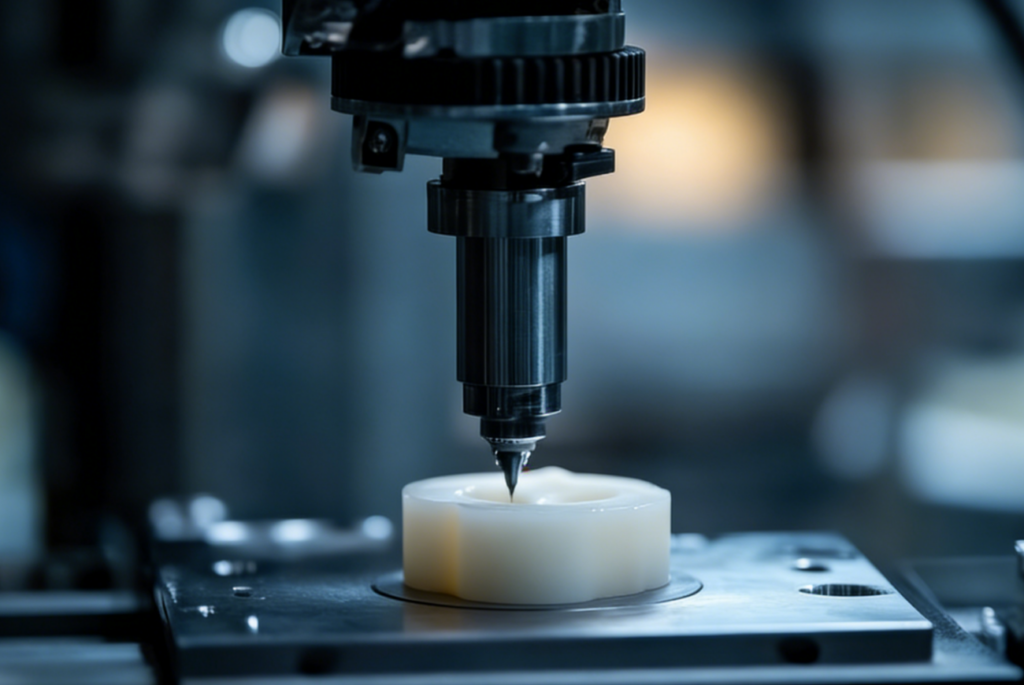
Real-World Impact of Technology
With advancements in material sciences, the types of rubber available for injection molding have expanded significantly. I recall visiting a factory last year that had transitioned to more sustainable compounds, reducing their environmental footprint while improving product durability. It’s essential to stay ahead of these trends, as consumer preferences shift towards eco-friendly options. The blend of manual expertise with cutting-edge technology could very well be the key to future success.
Conclusions: Key Takeaways for Manufacturers
Reflecting on my years of experience, I see that the landscape of rubber injection molding is evolving. Manufacturers must adapt and innovate not just to survive, but to thrive. As I advise colleagues in the industry, I recommend focusing on three crucial evaluation metrics: production cost, product quality, and sustainability. These considerations can guide your strategic decisions effectively.
In closing, I believe that investing in the right technology and materials can yield measurable results. Adapting to these transformations can elevate your business within the competitive framework of rubber injection molding china. As always, staying informed is essential—so here’s to preparing for the exciting future ahead, alongside trusted partners like Livepoint.
